First Go, Best Go: The Case for Making a Wobbly Start
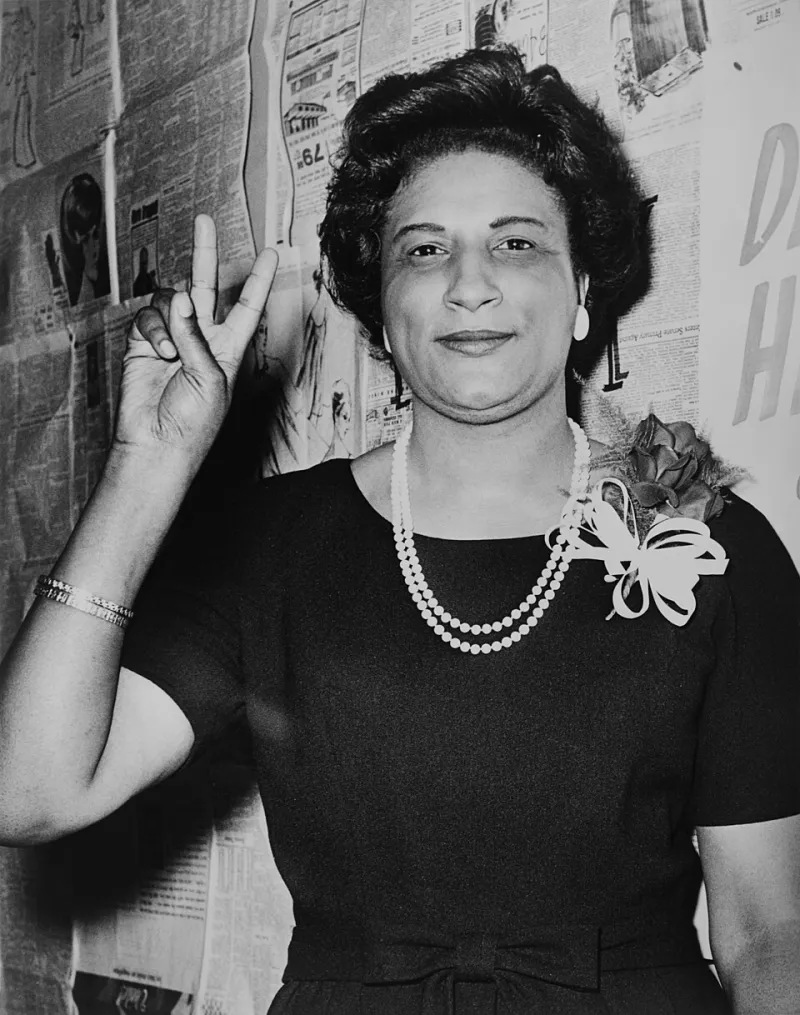
Photo: Walter Albertin (World Telegram & Sun); restored by Adam Cuerden, Public domain, via Wikimedia Commons
I have a name that invites a joke. Gill Maiden. For years I thought the maiden was a bit of a liability. It sounded like a promise of innocence, or a warning that I had not done this before. Then I realised that was the whole point. The maiden in Gill Maiden is not a claim to expertise. It is a reminder that everyone starts somewhere, and that the first go is often the one that matters most.
The maiden voyage is not the polished one
A maiden voyage is not the finished thing. It is the first crossing, the first attempt, the first time you say the words out loud and hear how strange they sound. It is the community project with the wrong chairs and the right intentions. It is the first page of the notebook. It is the local history hunt that begins because someone found a box of photographs in a cupboard and thought, well, somebody should look at these.
We are trained to admire polish. We watch the finished version and assume the maker always knew what they were doing. But the interesting part is usually earlier: the rehearsal with the wrong notes, the prototype that leaked, the meeting where three people turned up and two of them were related. That is where the real work happens.
What UK makers know about beginnings
Think about the small creative things that happen in this country all the time, mostly without a press release. A community choir in Leeds that started with six people and one photocopied song. A repair cafe in Bristol that opened with three tables and a queue of broken toasters. A printmaking class in Sheffield where nobody could remember the difference between a roller and a brayer, so they just had a go. A local history group in Ely that began with a box of photographs and no agenda, and ended up mapping the whole street.
None of those things were good at first. That is not an insult. It is a description of how anything starts. The first attempt is where you find out what you actually need: better lighting, more chairs, a shorter agenda, a different room, a friend who knows how to work the kettle. The wobble tells you what to fix. The polish only tells you what to admire.
The awkward bits are the point
There is a particular kind of embarrassment that comes with being a beginner in public. You can hear yourself being over-enthusiastic. You can see people being polite. You can feel the gap between the thing in your head and the thing in the room. It is not pleasant. But it is useful. It teaches you to ask better questions, to laugh at yourself, and to keep going when the first version does not land.
I have made enough first attempts to know the pattern. The first one is a mess. The second one is a slightly better mess. Somewhere around the fourth or fifth, you realise you have stopped apologising for starting. That is the moment the thing becomes yours. Not when it is perfect, but when it is yours enough to keep.
A small invitation
So here is the invitation, and it is deliberately small. Pick one thing you have been meaning to try. Not the big thing. The small thing. The local history search. The first sketch. The community garden meeting. The choir rehearsal. The newsletter that nobody has asked for yet. Turn up badly. Take notes. Ask the stupid question. Let the first go be a maiden voyage, not a final exam.
Gill Maiden is not a guru and this is not a manifesto. It is a notebook with a name on it, and a belief that first attempts are still worth making. The first wobble is often the most important step. The rest is just practice, and practice is allowed to be awkward too.