Cast-Offs, Tea and the Art of the Sunday Browse
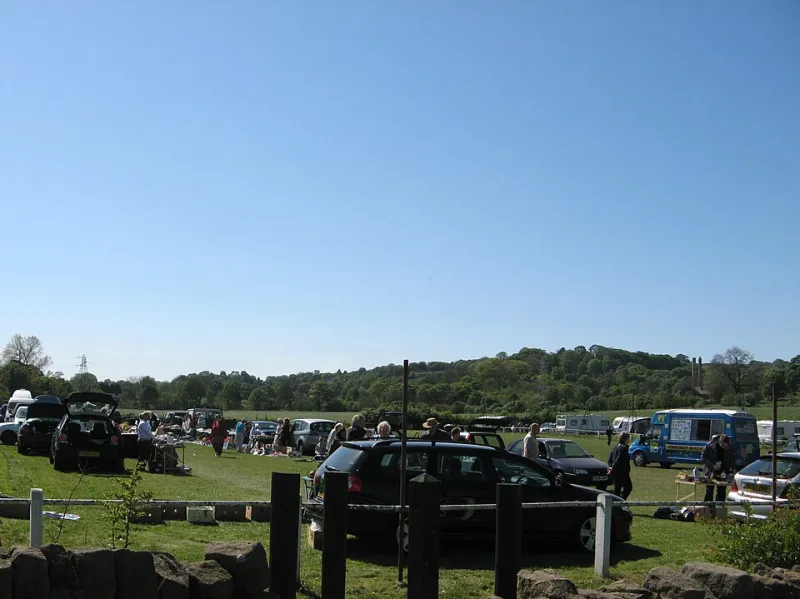
Photo: Stephen Armstrong , CC BY-SA 2.0, via Wikimedia Commons
The field before the rush
At twenty past six on a Sunday, a car boot sale is mostly mist and tailgates. Sellers are arranging their lives on folding tables while a man in a headtorch argues with a tarpaulin. The tea van is already doing business. By seven, the first serious pickers are moving between rows with the focused expression of people who know exactly what they are looking for and will know it only when they see it.
This is not shopping in any ordinary sense. It is a temporary village built from other people's cast-offs, held together by bungee cords and good humour. And it remains one of the most distinctive British institutions we have: informal, slightly chaotic and open to anyone with a fiver and a free morning.
Why bother getting up?
The obvious answer is bargains. A decent drill for a tenner. A box of gardening tools. A chair that needs one screw and a bit of affection. But the real appeal is the social theatre. You will hear a stranger explain why their late uncle's accordion is definitely worth forty pounds. You will watch a child negotiate hard for a plastic dinosaur. You will see a man buy a tarp because it is a tarp, and another man buy a different tarp because it is cheaper.
There is also the quiet satisfaction of reuse. In a world of next-day delivery, a car boot sale is a small circular economy with a bacon roll attached. Things get a second life. Money stays local. And nobody pretends the whole thing is glamorous.
Prepare like a sensible person
Take cash, including plenty of coins and small notes. Many sellers now take card or bank transfer, but not all, and mobile signal can be patchy in a field. Bring strong bags, a tape measure if you are buying furniture, and a rough list if you are prone to coming home with a vintage milk churn instead of a kettle. Wear sturdy shoes. Check the weather. A car boot in drizzle is a character-building experience.
Arrive early for the best pickings, or late for the deepest discounts. Both are valid strategies. Early means you see things before they are picked over. Late means sellers would rather negotiate than pack. Check local listings and social media for dates, entry fees and whether dogs are allowed. Some sales are charity fundraisers, some are commercial, and some are held in a field that is only a field for one Sunday a month.
The unwritten rules of the stall
Ask before you touch anything delicate. Do not open boxes that are clearly taped shut unless the seller says it is fine. If you are buying several small items, ask for a bundle price. Haggle politely and once. If the seller says the price is firm, accept it or walk away with good grace. Do not block the stall while you think about it. Do not offer a ridiculous sum and then act wounded when it is refused.
And remember that the person behind the table has probably been up since five. A bit of courtesy goes a long way. A simple 'morning' can turn a tense negotiation into a pleasant chat. If you are selling, price things clearly, keep your float safe and do not take offence when someone offers you 50p for a item marked two pounds. It is not personal. It is Sunday.
What to look for
Ignore the obvious junk and look for the odd lots. Boxes of buttons. Single earrings. Old tools with good handles. Books with inscriptions. Fabric by the metre. A tarp, obviously. Check electronics if you can, and ask whether anything needs a plug or a missing part. Look for local history: old postcards, maps, school photographs and china with a backstamp from a nearby town. These small things tell you more about a place than a souvenir shop ever will.
If you are buying for a creative project, car boots are goldmines for materials. Picture frames, odd chairs, tins, wool, trim, sheet music and half-finished craft kits. You are not just buying stuff. You are buying raw material for a second act.
The tea van is the village hall
At some point, stop. Get a tea. Get a bacon roll if the queue looks local. Sit on the tailgate or a folding chair and watch the field do its thing. Somebody will be loading a bicycle into a hatchback. Somebody else will be explaining that the thing you are looking at is not for sale after all. The tannoy will announce a missing child or a lost car key. For an hour or two, the car boot sale becomes a small, temporary community with its own economy, etiquette and weather.
Go with an open mind and a modest budget. Come home with one useful thing, one strange thing and a story. That is a good Sunday.