The Agenda Will See You Now: A Night at the Parish Council
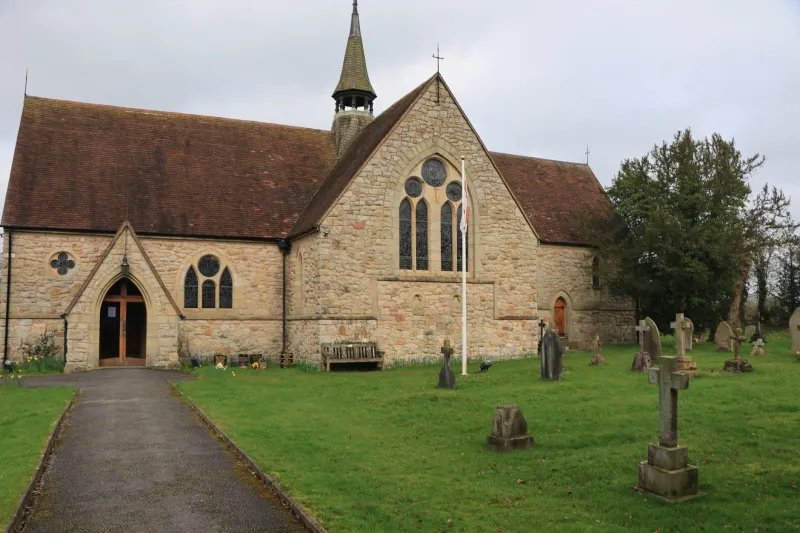
I arrived seven minutes early, which is apparently six minutes too late. The village hall car park already held four cars, one of them parked diagonally across two spaces in a way that suggested either urgency or a long-standing feud. Inside, the tea urn was doing its low, theatrical rumble. A trestle table had been dressed with a green cloth, a jug of water, and a laminated sign reading 'Please Do Not Move The Chairs'. Somebody had moved the chairs.
This was my first parish council meeting. I had come for the fence. More on that shortly.
The Agenda: A Document of Quiet Drama
The agenda is not a list. It is a script. Ours ran to two pages, single-spaced, with items numbered 1 to 11 and a final item called 'Any Other Business' that everyone knows is where the real business happens. The clerk, a woman named Pauline who possesses the calm of someone who has seen every procedural trick in the book, handed me a spare copy. 'You'll want to follow along,' she said. 'It gets technical.'
Technical is one word for it. Item 3 was 'Matters Arising from the Minutes'. This is council-speak for 'last month's unresolved arguments, revisited'. The minutes themselves had been circulated beforehand, but I had not read them, because I am new and foolish. I nodded along as Councillor Dave raised a point about the speed limit on the lane past the primary school. The chairman, Margaret, said it had been raised before. Dave said it had been raised before that, too. Margaret said she would make a note. Pauline made a note. Nobody wrote down what the note said.
The Leaning Fence and the Question of Liability
Item 5 was the fence. A stretch of post-and-rail along the recreation ground had developed a lean, like a tired uncle at a wedding. It was leaning towards the footpath, which meant it was leaning towards trouble. The council had received a letter. The letter was from a resident. The resident was not present, but their letter was, and Pauline read it aloud with the neutrality of a newsreader.
The fence, it turned out, was on council land. Or it was on parish land. Or it was on the boundary, which is a different thing entirely. Councillor Dave said he had measured it. Councillor Susan said measurements depend on where you start. The clerk said the insurers had been contacted. Margaret said the insurers had been contacted in September. It was now November. A silence settled over the room, the kind of silence that costs money.
They agreed to get a quote. They also agreed to get a second quote, because the first quote had come from a firm that Dave 'didn't entirely trust'. Nobody asked why. This is the unwritten rule of parish council meetings: you may distrust a contractor, but you must never explain why in public.
The Verge: A Study in Borders
Item 6 was the verge. The verge is a strip of grass between the road and the pavement on Mill Lane. It is approximately twelve feet long and has caused more correspondence than the entire neighbourhood plan. The dispute, as far as I could follow, involved a resident who had been mowing it, a councillor who had been asked to stop mowing it, and a question about whether mowing it constituted an admission of responsibility. There was also a hydrangea. The hydrangea was not on the agenda, but it was mentioned four times.
Susan said the hydrangea was not the issue. Dave said the hydrangea was absolutely the issue. Margaret said the hydrangea was not on the agenda. Pauline made a note. The council resolved to 'monitor the situation'. This is the parish council equivalent of putting a traffic cone on a problem and hoping it goes away.
Any Other Business (and the Biscuits)
Item 11 was where the evening loosened its tie. A councillor reported that the dog waste bin on the corner of Station Road had been 'relocated without consultation'. There was a brief discussion about who might have relocated it. Nobody knew. The relocation was described as 'unauthorised but not unwelcome', which felt like a very British verdict.
Then came the biscuits. They were chocolate digestives, arranged on a plate with the care of a still life. I had one. It felt like a rite of passage. The tea urn was emptied. Chairs were stacked. Dave told a joke about the fence that I didn't fully understand, but everyone laughed, so I laughed too.
Why It's Worth Your Evening
I left the village hall at 9:12pm. The fence was still leaning. The verge was still disputed. The hydrangea remained, as far as I could tell, unbothered. But something had happened in that room. Seven people had sat down with a laminated agenda and tried to make a small place work a little better. It was occasionally baffling, quietly consequential, and entirely free.
If you have never been to a parish council meeting, go. Take a notebook. Take a biscuit if one is offered. And if someone mentions the hydrangea, do not ask follow-up questions. You will be there until Christmas.